
Wedding and Event Planner Branding Photography: How Strong Visual Identity Attracts Better Clients
A wedding or event planner’s work is emotional, detailed, and highly personal. But most planners still rely on inconsistent visuals—mixed lighting, phone images, or outdated portfolio photos. That gap quietly costs inquiries.
Branding photography isn’t just about looking polished. It’s about creating a clear, consistent visual identity that communicates how you work, who you serve, and what it feels like to hire you.
When someone lands on your website or Instagram, they decide quickly. Not based on your pricing or packages—but on whether your work feels aligned with them. Strong branding images close that gap faster than words.

What branding photography actually does for planners
It builds trust before the first inquiry. Clean, intentional images signal professionalism and reliability.
It positions you in a specific market. Luxury, editorial, relaxed, cultural, modern—your visuals should make that obvious without explanation.
It shortens the decision-making process. When clients feel like they already “know” your brand, they reach out with more confidence.
It increases perceived value. Better visuals justify higher pricing without needing to explain it.
The difference between portfolio images and branding images
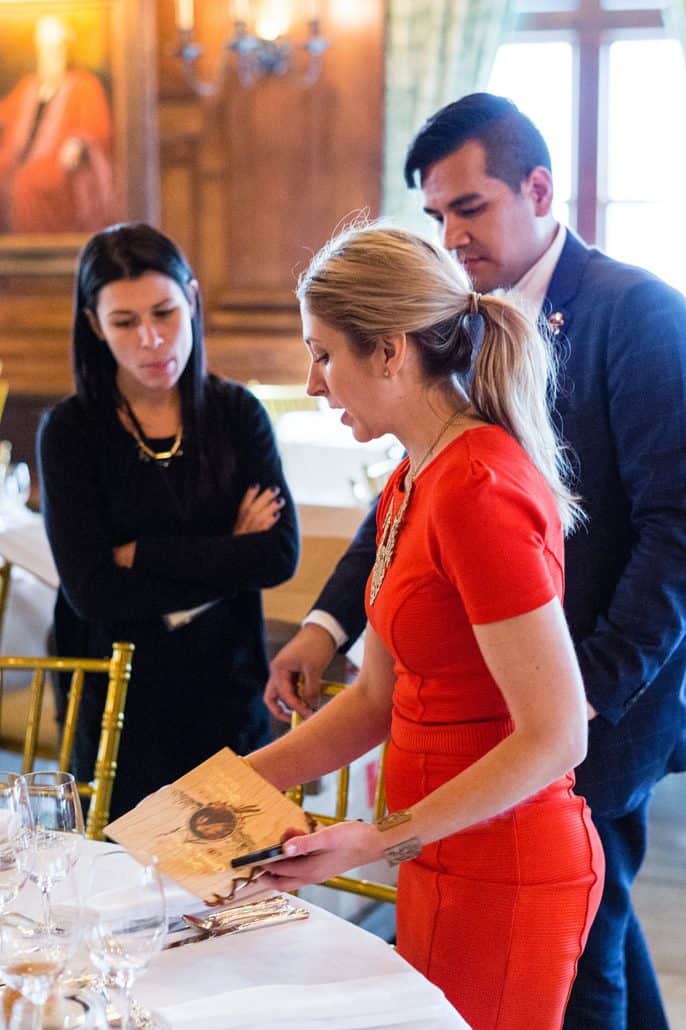
Portfolio images show what you’ve done. Branding images show how you work.
Portfolio: finished weddings, decor, tablescapes, venues
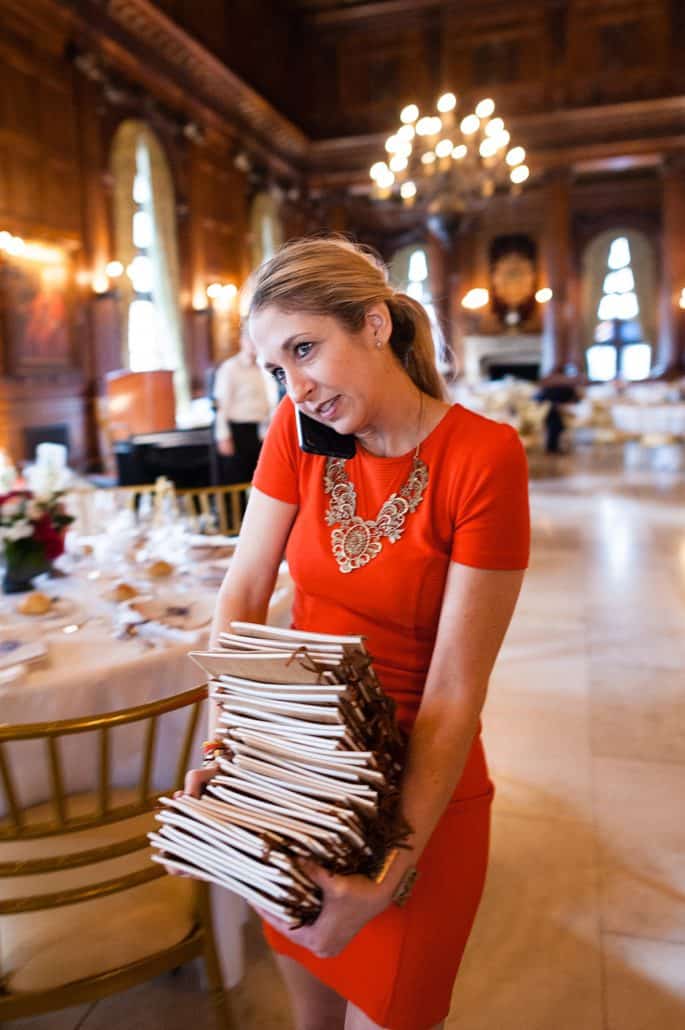
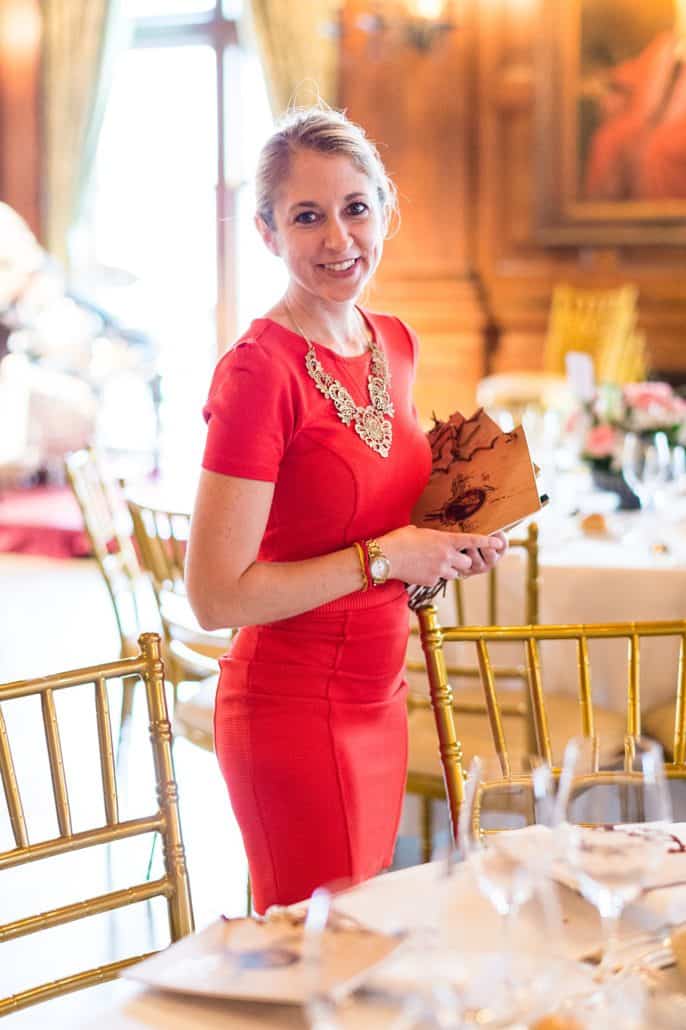
Branding: you interacting with clients, styling details, behind-the-scenes, your process, your personality
You need both—but branding is what makes your business memorable.
What to include in a strong branding shoot
Start simple. You don’t need a massive production. You need clarity.

How to plan your branding session
Define your positioning first. Ask yourself:
– What type of weddings/events do I want more of?
– What venues or settings reflect that?
– What emotions should clients feel when they see my work?
If you skip this step, the photos will look good—but won’t convert.
Choose a location that matches your brand:
– City streets for modern, editorial feel
– Estate venues for luxury
– Home or studio for intimate, approachable
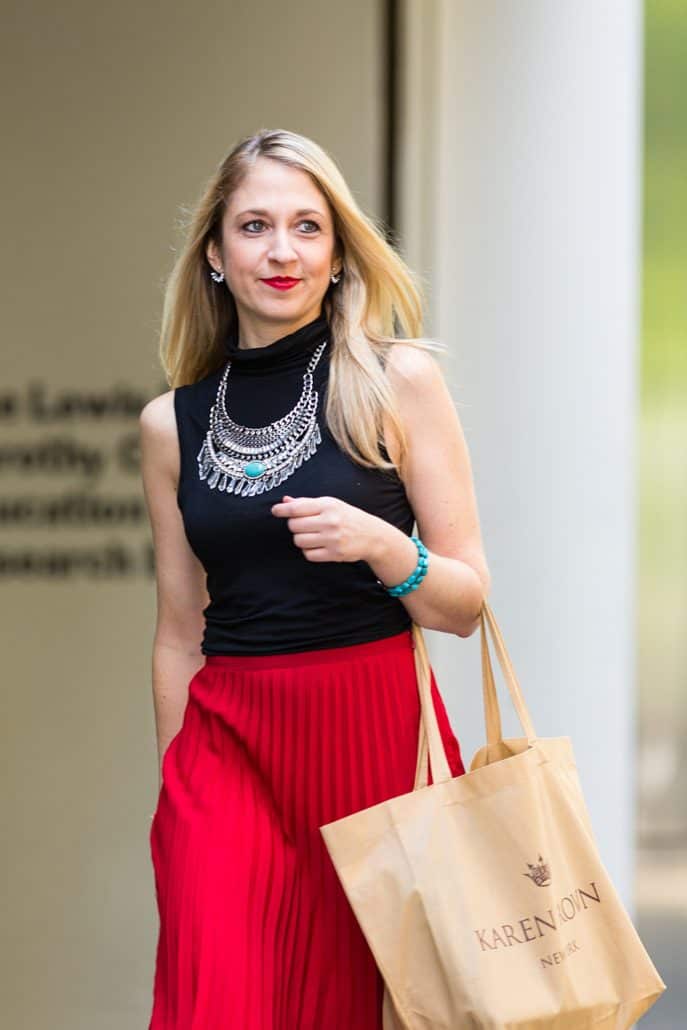
Wardrobe should stay consistent with your brand tone. Avoid overcomplicating. Neutral, timeless pieces usually outperform trend-heavy looks.
Content strategy after the shoot
This is where most people waste the opportunity. One shoot should give you 2–3 months of content.
Break it down:
Website:
– Homepage hero image
– About page storytelling
– Service page banners
Instagram:
– Behind-the-scenes posts
– Carousel tips using your images
– Personal storytelling captions
LinkedIn:
– Professional positioning
– Client experience insights
– Industry authority posts
Email newsletters:
– “A day in my work”
– Planning insights
– Client stories
SEO advantage most planners miss
Add alt text that describes both the action and the intent:
“Wedding planner adjusting floral design during reception setup in Brooklyn NYC”
This small step improves your visibility over time.
Content strategy after the shoot
This is where most people waste the opportunity. One shoot should give you 2–3 months of content.
Break it down:
Website:
– Homepage hero image
– About page storytelling
– Service page banners
Instagram:
– Behind-the-scenes posts
– Carousel tips using your images
– Personal storytelling captions
LinkedIn:
– Professional positioning
– Client experience insights
– Industry authority posts
Email newsletters:
– “A day in my work”
– Planning insights
– Client stories
SEO advantage most planners miss
Search engines don’t see images—they read context.
Rename your image files before uploading:
wedding-planner-branding-princeton-nj.jpg
event-designer-behind-the-scenes-nyc.jpg
Add alt text that describes both the action and the intent:
“Wedding planner adjusting floral design during reception setup in Brooklyn NYC”
This small step improves your visibility over time.
Content ideas you can create from one branding shoot
– “What it’s like to work with a wedding planner”
– “Behind the scenes of a wedding day timeline”
– “How I design a wedding from start to finish”
– “3 things couples don’t realize about planning”
– “A calm, organized wedding day starts here”
Each of these becomes a blog post, Instagram carousel, and short-form video.
Core shots:
– You working (laptop, calls, mood boards)
– Client interaction (consultation, walkthroughs)
– Detail styling (flat lays, materials, florals)
– Movement (walking through a venue, adjusting setups)
– Environmental portraits (your presence in real spaces)
These images should feel natural, not staged. Slight imperfection often feels more real—and more trustworthy.
Questions planners should ask themselves
– Do my current visuals reflect the clients I want?
– Would a higher-budget client trust this brand immediately?
– Do my images feel consistent across platforms?
– Am I showing my process, or just final results?
If the answer is unclear, that’s the opportunity.
A practical suggestion for you
Don’t treat branding photography as a one-time project. Treat it as a system.
Plan 2–3 smaller shoots per year instead of one large one. This keeps your content current and aligned with your growth.
While this session took place in Midtown Manhattan, I work with couples across Brooklyn NYC, Connecticut, New Jersey, and Philadelphia, and I’m available for destination sessions worldwide.
Here are more branding images!


 Kyo Morishima Photography
 Kyo Morishima Photography